Our economy remains largely linear: we extract, produce, consume and discard. This model is incompatible with a world of finite resources.
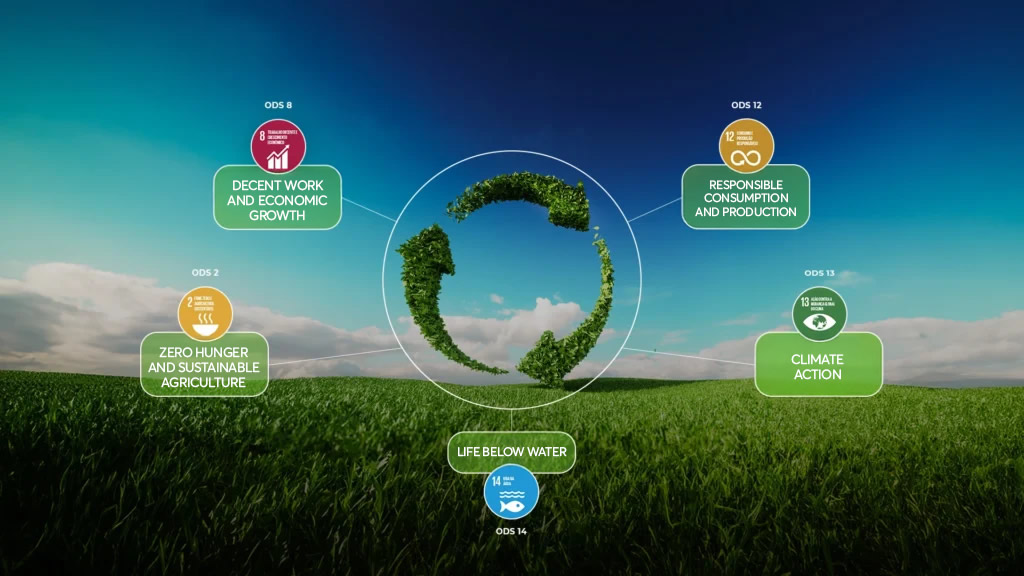
Nature, on the other hand, operates in perfect cycles — everything is transformed, nothing is wasted. What if we could rethink our production and consumption processes to mirror this natural balance? This is the premise of the circular economy: a system in which waste becomes resources, energy is renewable and impacts are minimized without compromising efficiency or results.
In agriculture, this transformation is urgent. Feeding a growing population will require producing more with less land, less water and lower environmental impact. The current model, based on chemical inputs and soluble fertilizers, fulfills its productive role but comes at a high environmental cost.
In Brazil, for example, more than half of the fertilizers applied to crops are not absorbed, being lost in the soil, contaminating water sources and contributing to greenhouse gas emissions. This waste is unsustainable. It was with this scenario in mind that, more than 12 years ago, I began working with sustainable fertilizers.
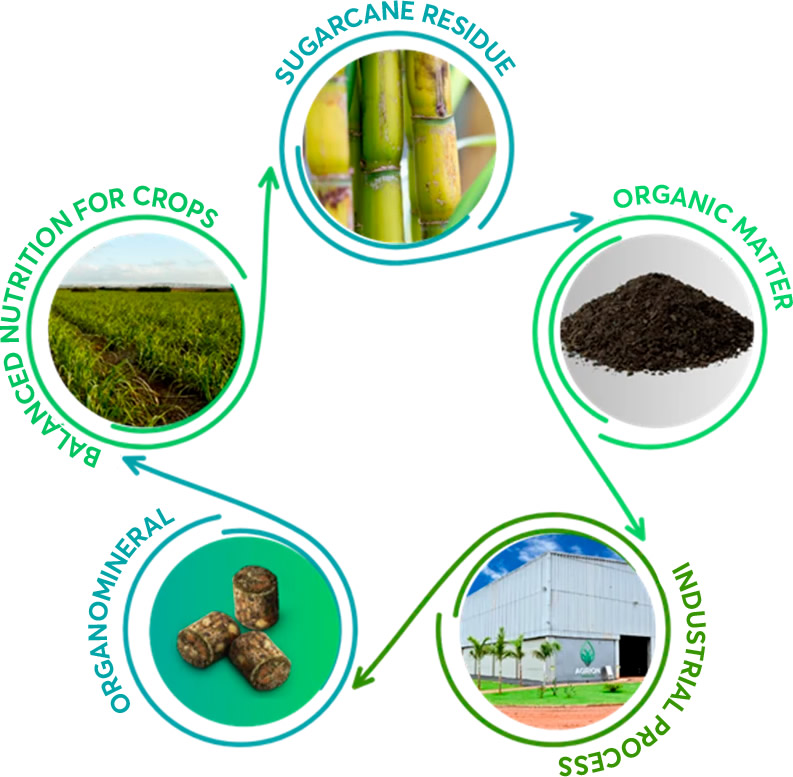
AGRION was founded with the purpose of applying circular economy principles to agriculture: reusing agro-industrial residues and transforming them into more efficient and less polluting fertilizers. One of our main case studies is the closed-loop cycle with sugar and ethanol mills.
Residues from sugarcane production are treated, stabilized and combined with minerals, resulting in high-performance organomineral fertilizers.
Through this approach, we reduce the need for chemical fertilizers, increase agricultural productivity and provide a sustainable destination for residues. The journey has not been simple — innovation in agriculture requires persistence, investment and long-term vision.
Still, we firmly believe it is possible to combine performance, profitability and environmental responsibility. Change has already begun, but there is still a long road ahead. It is up to each of us to decide which side of history we want to be on. Every time you consume something, you are making a choice that impacts the planet. Which one will you make?